



Book now
Book now

Female fertility decreases with age. Women are born with a limited number of oocytes, and these cells have the same biological age as the woman herself. Over the years, both the quantity and quality of eggs decrease.
This reduces the chances of achieving pregnancy and increases the risk of embryonic abnormalities as well as miscarriages. In contrast, the uterus retains its capacity for gestation for several more years.
Oocyte vitrification is recommended both for women who wish to postpone motherhood for social reasons (studies, professional career, travel, etc.) and for those who are going to receive treatments that may impair fertility, such as chemotherapy, radiotherapy or treatments for autoimmune diseases. It is also indicated for transsexual patients who are going to start hormone therapies.
By freezing her eggs, a woman can ‘stop time’ and use them years later, preserving the same quality they had at the time of freezing. The ideal age for this procedure is between 18 and 35, when fertility is at its peak.
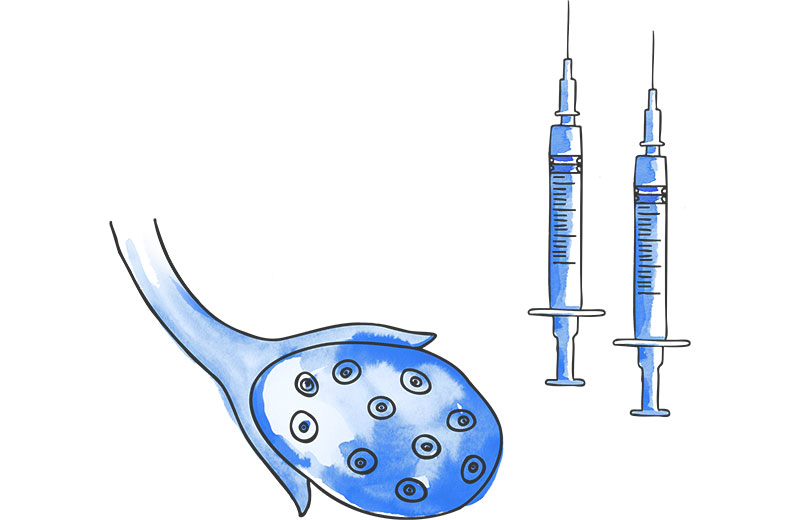

This treatment involves the administration of injectable hormones to stimulate the development of several ovarian follicles in the same cycle. The process lasts between 8 and 12 days and is monitored by ultrasound scans.
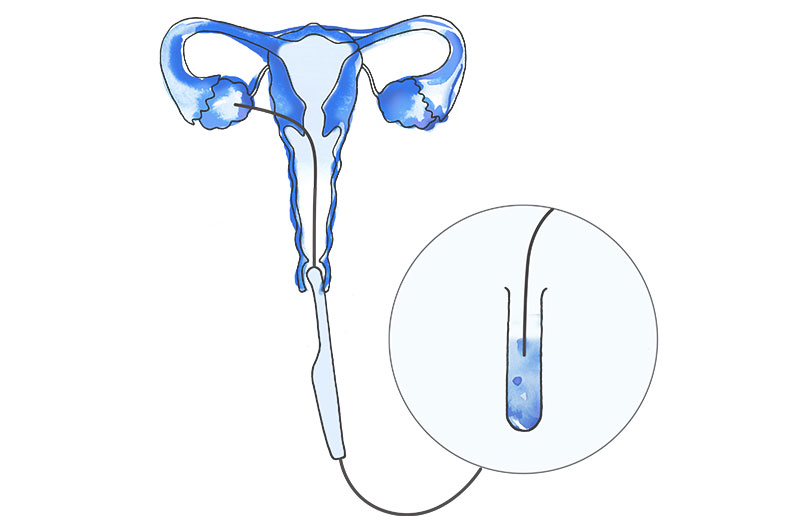
This involves the removal of the eggs by means of a transvaginal puncture guided by ultrasound. The procedure lasts between 15 and 30 minutes and is performed under sedation. After two hours of rest, the patient can return home.

The collected oocytes are assessed and selected according to their maturity. They are then subjected to an ultra-rapid freezing process with liquid nitrogen (-196 °C), which allows them to maintain their quality indefinitely.
the vitrified eggs can be thawed for in vitro fertilisation treatment. If the patient decides not to use them, she can choose to discard or donate them.
Even if there are vitrified eggs available, pregnancy is not recommended for women over the age of 50.
Consult with our specialists in fertility preservation..