


21 July, 2026
Discover the role of the environment in eggs, sperm and the mother’s womb.

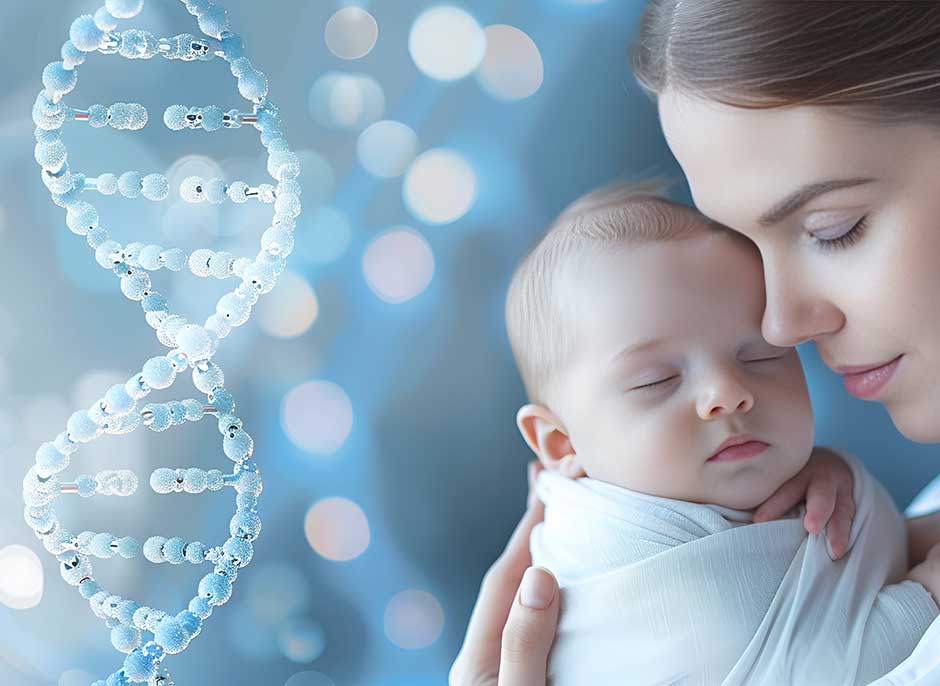
When we think of biological inheritance, we tend to imagine a fixed set of traits that are determined at the moment of conception: eye colour, height or a predisposition to certain medical conditions. However, modern science has shown us that the book of life is not set in stone. There is a fascinating field of study that helps us understand how the environment can influence the way our genes function: epigenetics.
For patients trying to conceive, whether naturally, through in vitro fertilisation (IVF) using their own eggs, or via egg donation treatment, understanding epigenetics provides a broader and more hopeful perspective on the interaction between genetics, the environment and a baby’s development. It shows us that certain habits, environmental factors and the uterine microenvironment may influence some aspects of a child’s biological development.
What is epigenetics? Here’s a simple explanation
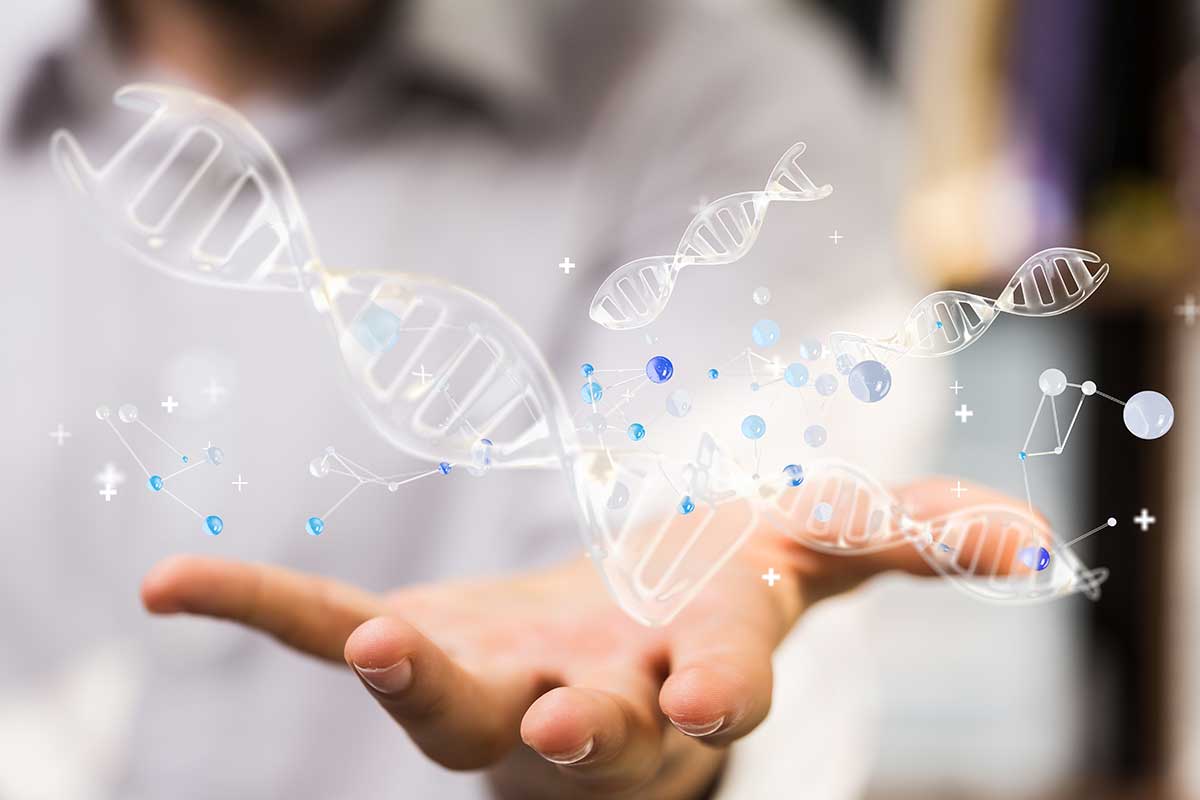
Epigenetics is the study of the mechanisms that regulate gene activity without altering the DNA sequence, such as DNA methylation, histone modifications, chromatin organisation and certain non-coding RNAs. This can be understood using a very simple analogy: if DNA is the alphabet, epigenetics is responsible for deciding which letters are stressed, which are pronounced and which remain silent.
Our bodies are full of tiny chemical ‘switches’. When a switch is turned on, the cell reads that gene and produces proteins; when it is turned off, the gene is silenced. Unlike the DNA sequence, these mechanisms can be dynamic and sensitive to environmental factors. Some changes are temporary, while others may persist for long periods.
Key points to keep in mind:
- Epigenetics does not alter the sequence of genes; it regulates their activity.
- It is one of the factors that explains why identical twins, despite sharing virtually the same DNA, can present biological and health differences throughout their lives.
- It can be influenced by factors such as diet, metabolism, stress, sleep and certain environmental exposures.
Before Conception: supporting egg and sperm health
For those trying to conceive naturally or undergoing conventional IVF, epigenetics reminds us that the quality of gametes goes far beyond their basic genetic makeup. During the formation and maturation of gametes, certain metabolic factors, lifestyle habits and environmental exposures can be associated with molecular and epigenetic changes in eggs and sperm.
Una alimentación equilibrada, la reducción de la exposición a determinados contaminantes ambientales y una adecuada gestión del estrés contribuyen a mantener un entorno preconcepcional más saludable.
A balanced diet, reducing exposure to certain environmental pollutants and effective stress management all help to maintain a healthier preconception environment. Thus, by looking after their preconception health, both partners play an active role in promoting reproductive health and reducing modifiable risk factors, even before fertilisation occurs.
During pregnancy: the maternal environment and gene activity
Once the oocyte has been fertilised, another key stage begins. Before implantation, the embryo interacts with signals within the endometrial environment. Subsequently, the placenta becomes the primary organ for communication and exchange between the mother and the foetus. Hormones, nutrients, immunological factors, extracellular vesicles and non-coding RNA are all involved in this communication and may influence the development and regulation of the activity of certain genes.
This communication takes on particular significance in egg donation treatments and helps to answer a common question: ‘What role does my body play in the baby’s development if the egg has been donated?’.
In egg donation treatments, the embryo’s genetic information originates from the donated egg and the sperm. The gestational surrogate does not alter this genetic inheritance, but she provides the uterine and placental environment in which the pregnancy develops. Her metabolism, her state of health and hormonal, immunological and nutritional signals influence foetal development and may be linked to changes in the regulation of certain genes.
This gestational contribution is very important from a biological perspective, but it does not alter the DNA sequence, nor does it mean that the baby will acquire physical traits inherited from the surrogate mother.
How does the environment influence biological development?
During gamete maturation, early embryonic development and pregnancy, significant epigenetic changes occur which can be influenced by various environmental and metabolic factors:
Nutrition and metabolism
Possible epigenetic or biological effect: Nutrients such as folate, vitamin B12 and choline are involved in processes related to DNA synthesis and methylation.
Possible impact on fertility and development: A balanced diet contributes to embryonic and foetal development. Any supplementation should only be taken on medical advice.
Stress management
Possible epigenetic or biological effect: Modulation of the hormonal response (hypothalamic-pituitary-adrenal axis) and possible changes in DNA regulation in response to anxiety.
Possible impact on fertility and development: Managing stress improves wellbeing and helps patients cope with treatment, although its potential influence on reproductive outcomes is still being studied and has not been conclusively demonstrated.
Pollutants and endocrine disruptors
Possible epigenetic or biological effect: Certain compounds can interfere with hormonal signalling and with certain mechanisms of cellular and epigenetic regulation.
Possible impact on fertility and development: They have been linked to impairments in reproductive function and development. Their effects depend on the compound, the dose and the timing of exposure.
Sleep and physical activity
Possible epigenetic or biological effect: They may influence the body’s metabolic, hormonal and inflammatory balance.
Possible impact on fertility and development: A healthy lifestyle promotes general and reproductive health, although it does not guarantee a specific treatment outcome.
The role of the IVF laboratory
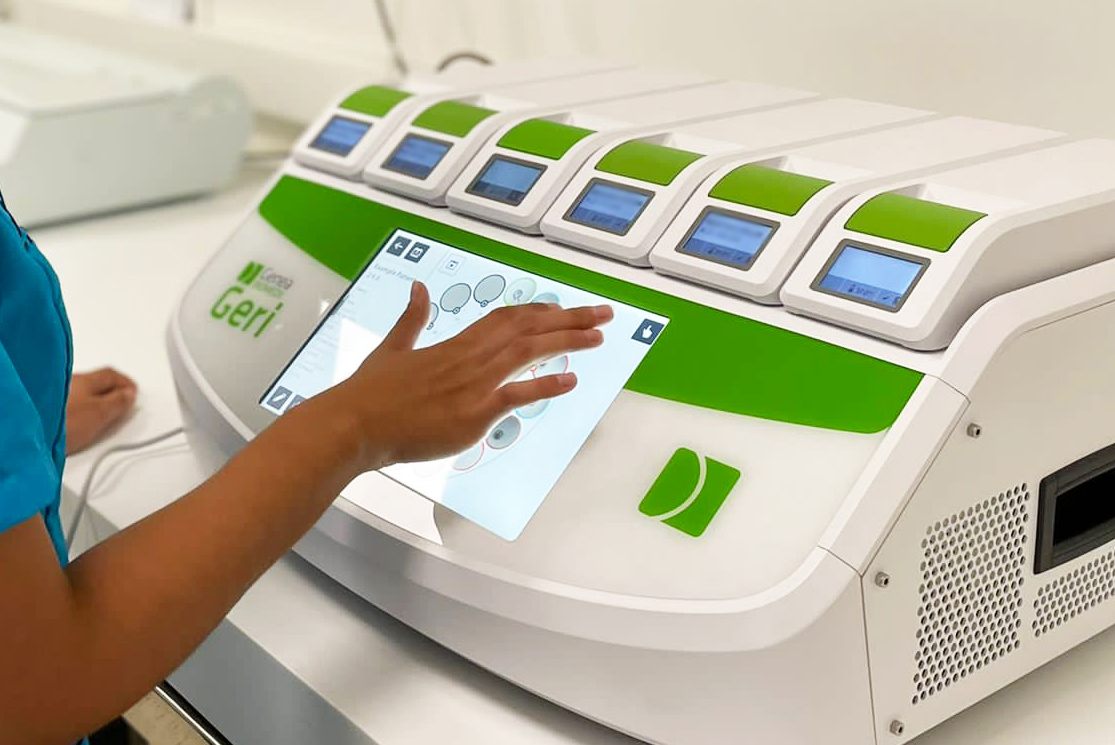
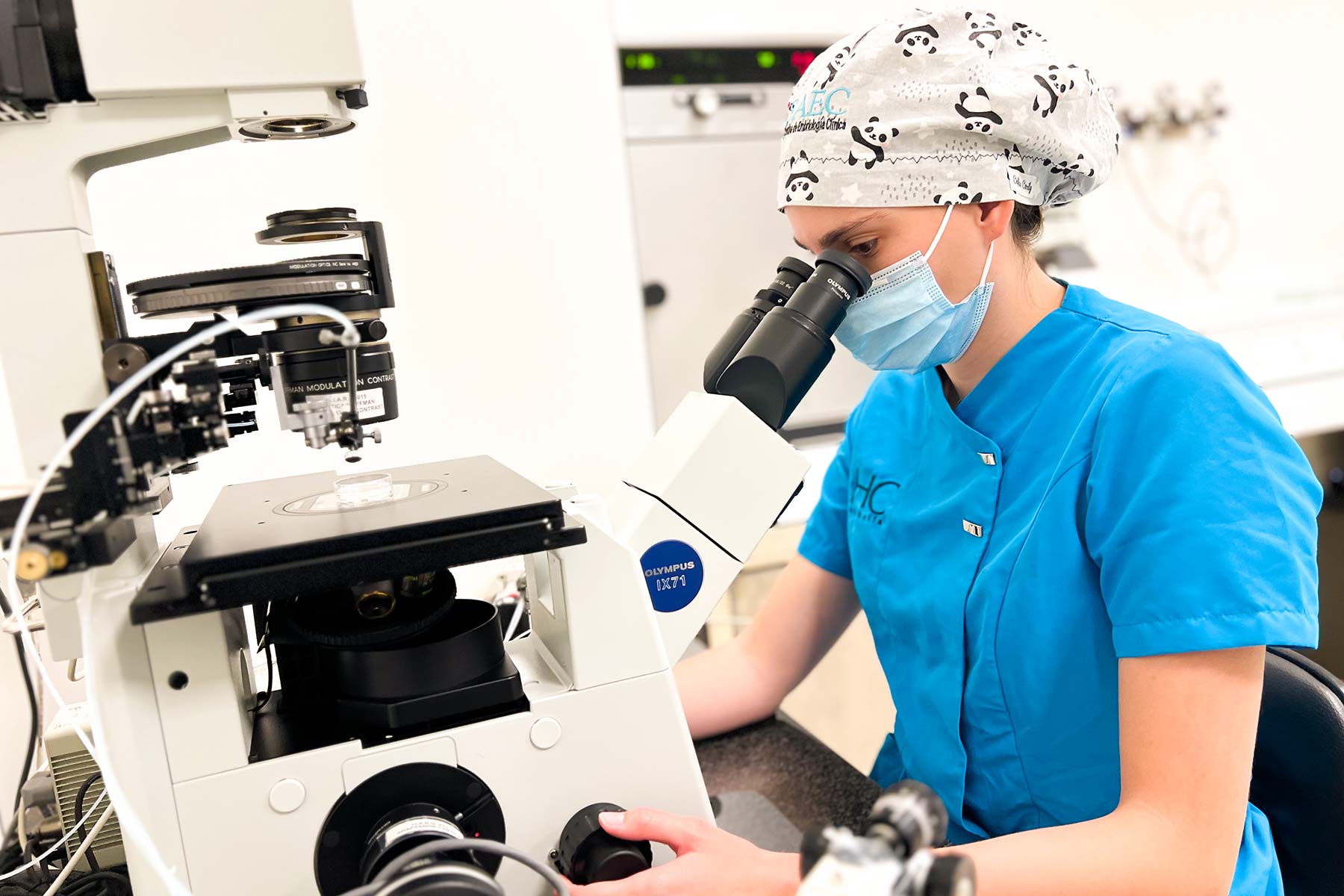
During preimplantation development, significant epigenetic reorganisation occurs. For this reason, the IVF laboratory rigorously controls temperature, pH, osmolality, the composition of culture media and the incubation conditions, aiming to minimise fluctuations and provide a stable environment for the embryo.
These conditions are designed to replicate the maternal physiological environment as closely as possible, although they do not reproduce it identically. Research is ongoing to determine whether certain assisted reproductive procedures are associated with epigenetic differences and what their true long-term clinical significance may be.
Conclusion: genetics and the environment, a continuous interaction
Epigenetics offers a profoundly integrative message: genetics and the environment interact throughout development, but neither alone determines a child’s future. Whether through natural conception, conventional IVF or egg donation, looking after your health before and during pregnancy helps create a favourable environment for development.
Adopting healthy habits can support maternal, paternal and gestational health, but does not guarantee implantation or a specific outcome. Fertility difficulties or pregnancy complications should never be interpreted as a personal failure or as a consequence of not having maintained a sufficiently healthy lifestyle.
Laboratory Director at the Fertility and Assisted Reproduction Unit, HC Marbella International Hospital.

Back to blog
In other news

26 March, 2025
Visits we love!
Look at such a beautiful little princess who came to see us! ...
[Continue reading ]2 February, 2024
Wanting but not being able to
There is a word that clearly defines the workings and dynamics of the HC Fertility centre: humanity....
[Continue reading ]