


27 April, 2026
Endocrine disruptors: what you need to know to protect your health

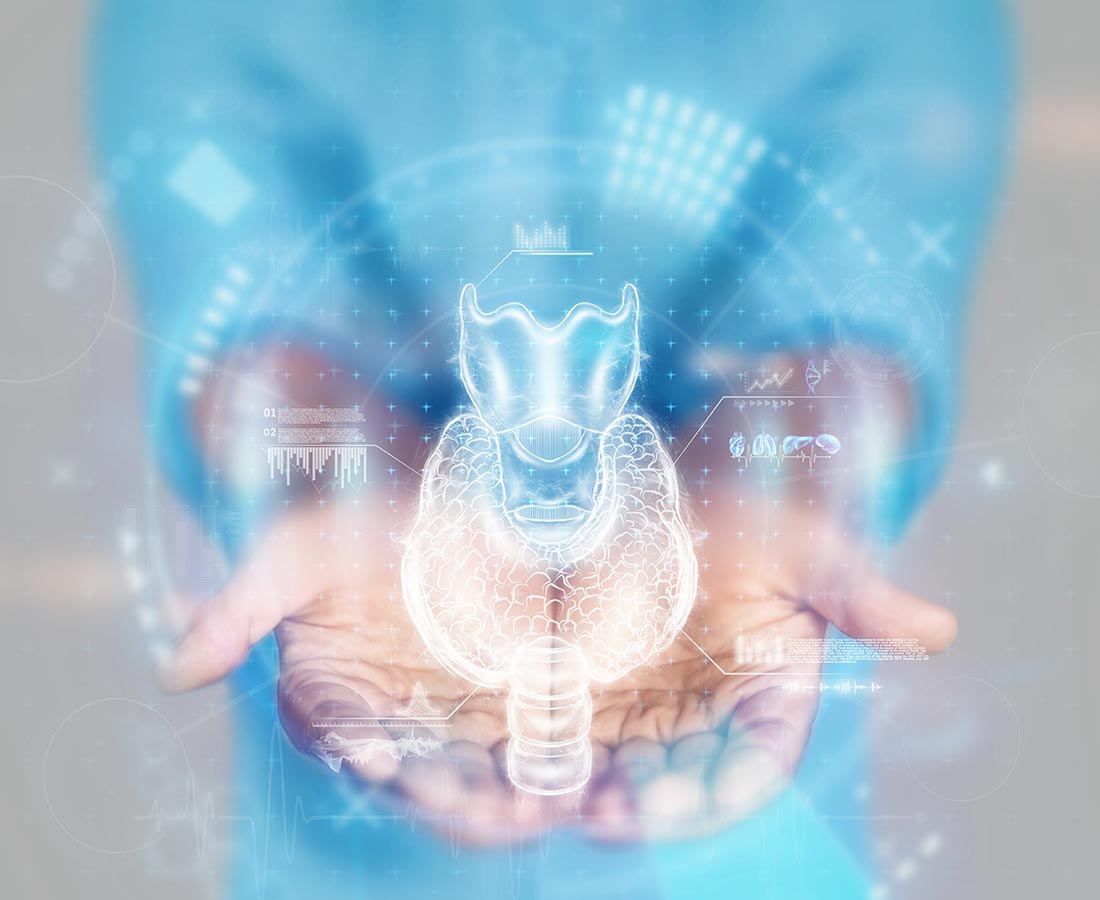
In recent years, there has been a growing interest in understanding how certain chemicals in our environment can influence the body. These include endocrine disruptors, compounds that can interfere with the hormonal system. Despite scientific advances, much remains unknown about their impact on human health.
What do we know so far?
Research in both humans and animals has found associations between exposure to these substances and various health problems. These include some types of cancer, fertility problems, metabolic disorders such as obesity or diabetes, respiratory conditions such as asthma and neurodevelopmental disorders.
A different behaviour compared to other toxicants
One of the most striking characteristics of endocrine disruptors is that small amounts may produce significant effects, while higher doses do not necessarily increase them. This phenomenon adds to the complexity of their study and risk assessment.
Moreover, in everyday life we are not exposed to a single substance, but to a mixture of many. Science does not yet fully understand how these compounds interact with each other in the body, nor what their combined effects are in the long term.
What are they exactly?
Endocrine disruptors are chemicals that can alter the functioning of the hormonal system. They act by mimicking, blocking or modifying the action of natural hormones, which can affect key processes such as growth, metabolism, fertility or brain development.
Where are they found?
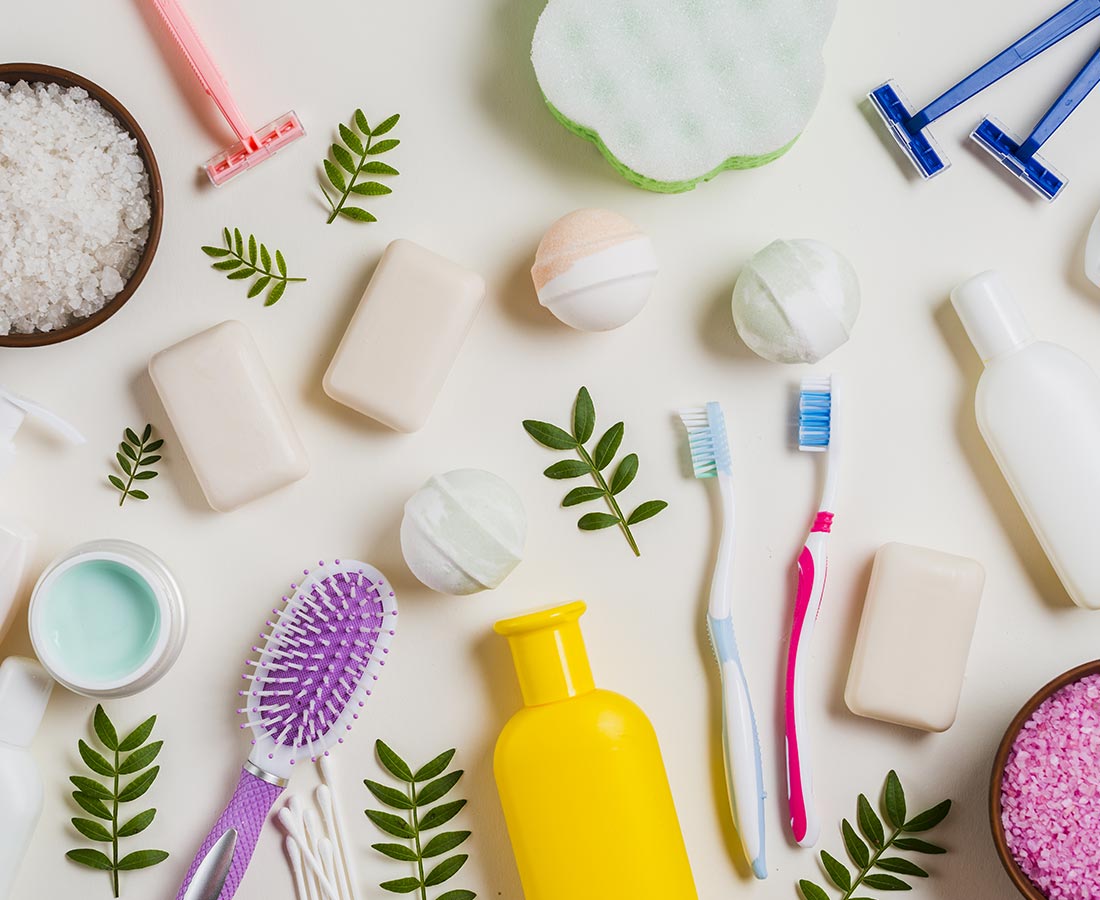
Endocrine disruptors are present in many everyday products. They can be found in plastics, cosmetics, textiles, kitchen utensils, personal hygiene products and processed foods. They may also be found in some foods as a result of environmental pollutants or the use of pesticides.
How do they enter the body?
There are several routes of exposure:
- Through the food and water we ingest
- Through inhalation of air or house dust
- Through skin contact, especially when using cosmetic or personal care products
Potential health effects
Exposure to these compounds has been linked to a number of different health problems, including:
- Childhood developmental disorders
- Respiratory diseases
- Metabolic disorders such as obesity or diabetes
- Fertility problems
- Changes in behaviour or cognitive function
- Increased risk of certain types of cancer
Stages of increased sensitivity
Not all stages of life present the same level of vulnerability. The foetal period, infancy and puberty are particularly sensitive stages, as the body is in full development and hormonal systems are more susceptible to disruption. Endocrine disruptors can reach the foetus via the placenta, and are also found in breast milk, so maternal exposure during pregnancy and breastfeeding should be minimised.
Can they be avoided?
Eliminating exposure completely is difficult, but it is possible to reduce it by adopting a few simple measures:
- Limit the use of plastics, especially in contact with food and when microwaving
- Prioritise fresh, seasonal and organic foods over processed products
- Use stainless steel, glass or ceramic pans and pots without non-stick coatings
- Wash fruits and vegetables thoroughly
- Read the labels on cosmetics and everyday consumer products and prioritise products free from parabens, benzophenones, phenoxyethanol, triclosan and liquid paraffin.
- Choose natural fabrics
- Ventilate the home daily, and avoid using perfumes and air fresheners
In summary,
although the scientific evidence continues to evolve, there is already sufficient evidence to take precautionary measures. Reducing exposure to endocrine disruptors is a sensible strategy to protect health, especially at the most vulnerable stages of life.
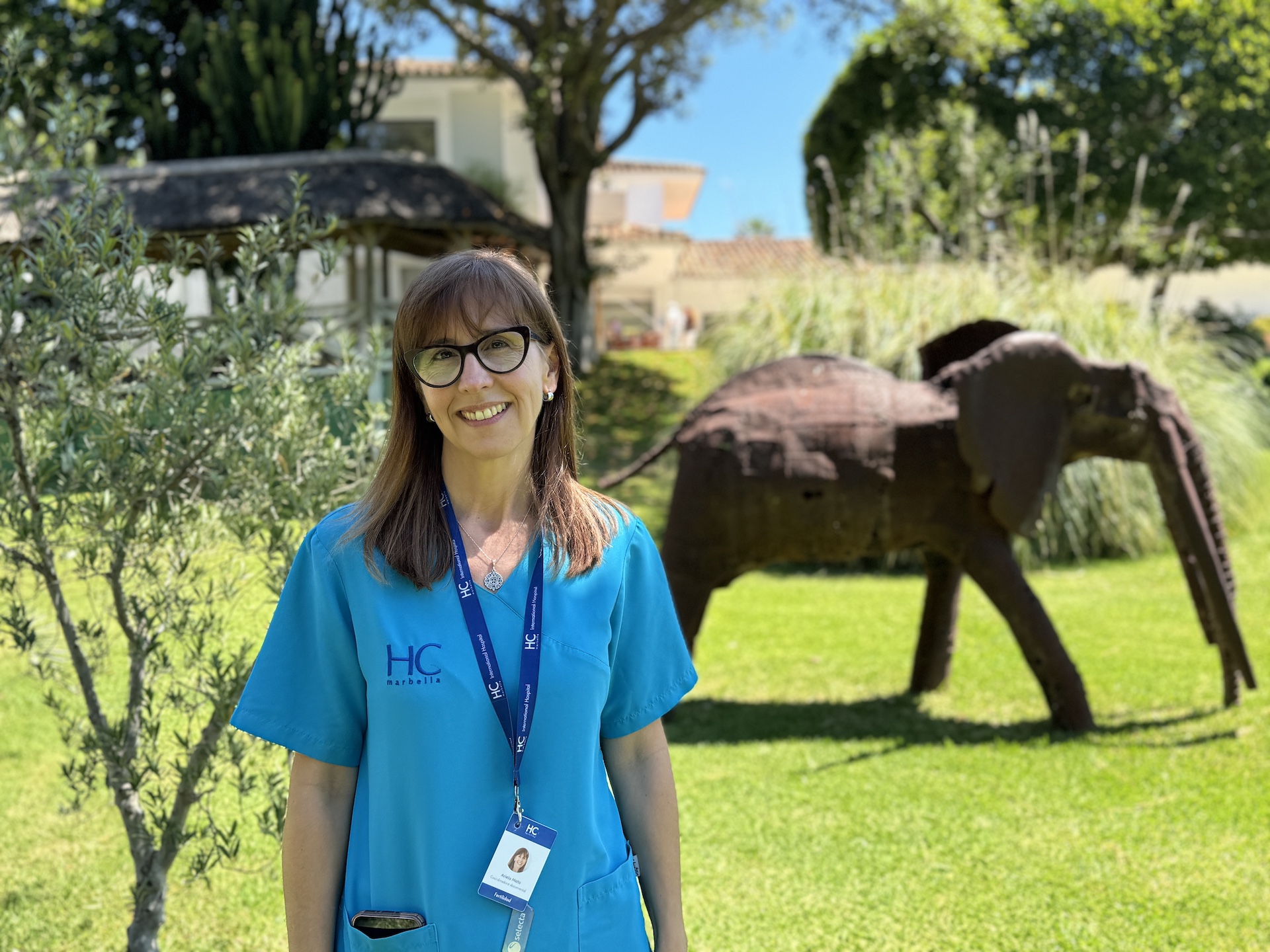
Ariela Mata
Consultant in Clinical Embryology

Back to blog
In other news

1 August, 2017
Causes of Female Infertility
When should I start worrying about not conceiving? ...
[Continue reading ]11 October, 2021
What are the advantages of taking embryos to blastocyst stage?
Miriam Valcarcel Embrióloga en HC Fertility Marbella ...
[Continue reading ]