


17 May, 2026
From genetic grief to a new way of becoming a mother or father

When an individual or a couple begins a fertility treatment process, it is usually undertaken with expectations, desires and images built around future parenthood, including the possibility of sharing a genetic link with the child they envisage. When, due to different circumstances, oocyte, sperm or embryo donation appears as the only alternative to be able to build a family, not only is it necessary to adapt to a medical decision, but also to go through a deep emotional process.
In this context, complex and sometimes contradictory emotions may arise, related to the need to readjust expectations and reconstruct the meaning of motherhood and fatherhood as previously imagined.
What is genetic grief?
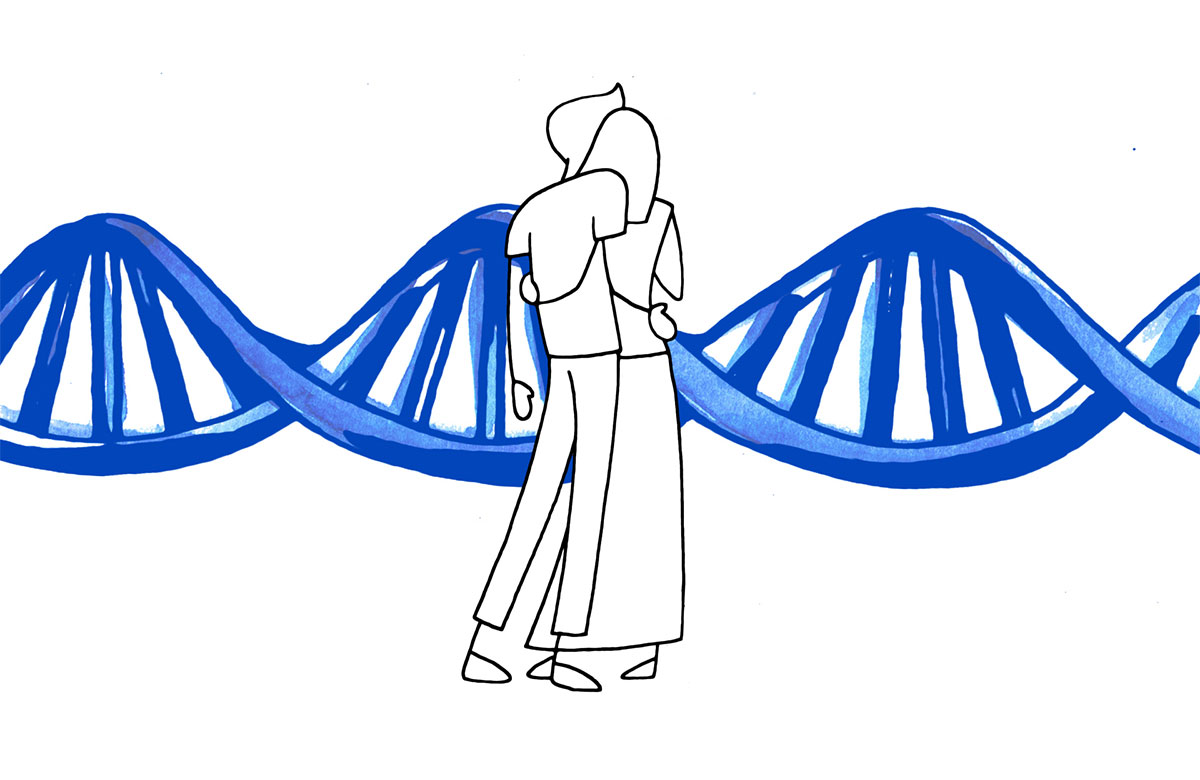
Genetic grief is the emotional reaction to the realisation that it will not be possible to pass on one’s own genetic material to a future child.
It is not only a biological matter. Many people feel they have to let go of an imagined idea of motherhood or fatherhood: a child with their physical features, part of their family heritage or certain personal characteristics.
Although there is excitement about achieving pregnancy, there may also be feelings of sadness about what will not be. And both emotions can coexist.
A silent and often misunderstood type of grief
Genetic grief is often experienced in a private and rarely shared way. Often, the environment focuses on the possibility of achieving pregnancy or that ‘there is a solution’, which can make it difficult for the person to feel legitimised to express emotions of sadness, ambivalence or loss.
Accepting gamete donation does not mean that the person no longer feels pain for what was imagined and will not be possible in the end. In fact, during this process it is common to experience a wide range of changing emotions, such as:
- Shock or a feeling of initial blockage.
- Sadness.
- Anger or frustration.
- Guilt.
- Fear or uncertainty.
- Insecurity.
- Doubts about the future bond with the baby.
- Feeling of loss of biological or family continuity.
Each person goes through this process differently, depending on their personal history, previous experiences, the meaning they attach to genetics and the emotional support they receive. Therefore, there is no “right” or “wrong” way to experience this type of grief.
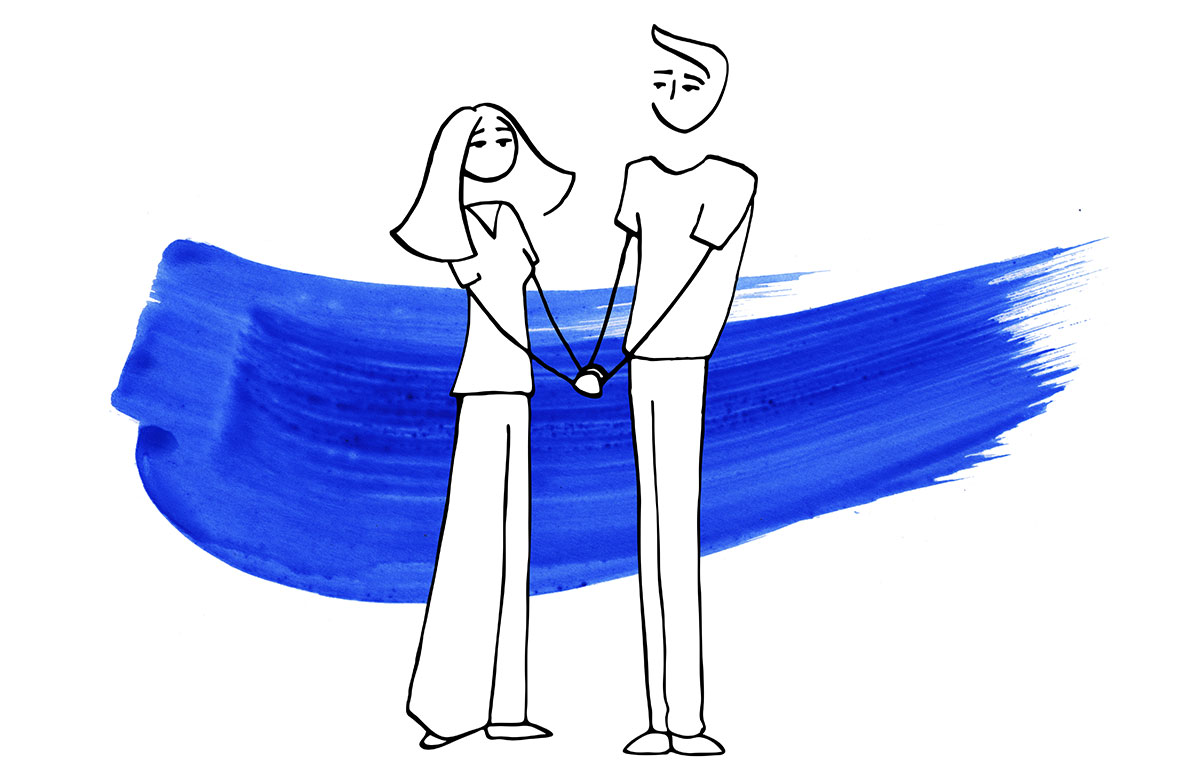
Grief may also be part of the acceptance process
As occurs in other loss processes, genetic grief often involves different emotional reactions and moments of psychological adaptation. Feelings such as denial, anger, sadness or acceptance may arise, although they do not always manifest themselves in a linear fashion or with the same intensity. Some individuals need more time than others to emotionally process the situation and rebuild their motherhood or fatherhood project from a new perspective.
It is important to understand that going through this type of grief does not mean that you will love your future child any less. In fact, in many cases, the emotional suffering is deeply related to the intensity of the desire to become a mother or father and all that this project meant at a personal, family and emotional level.
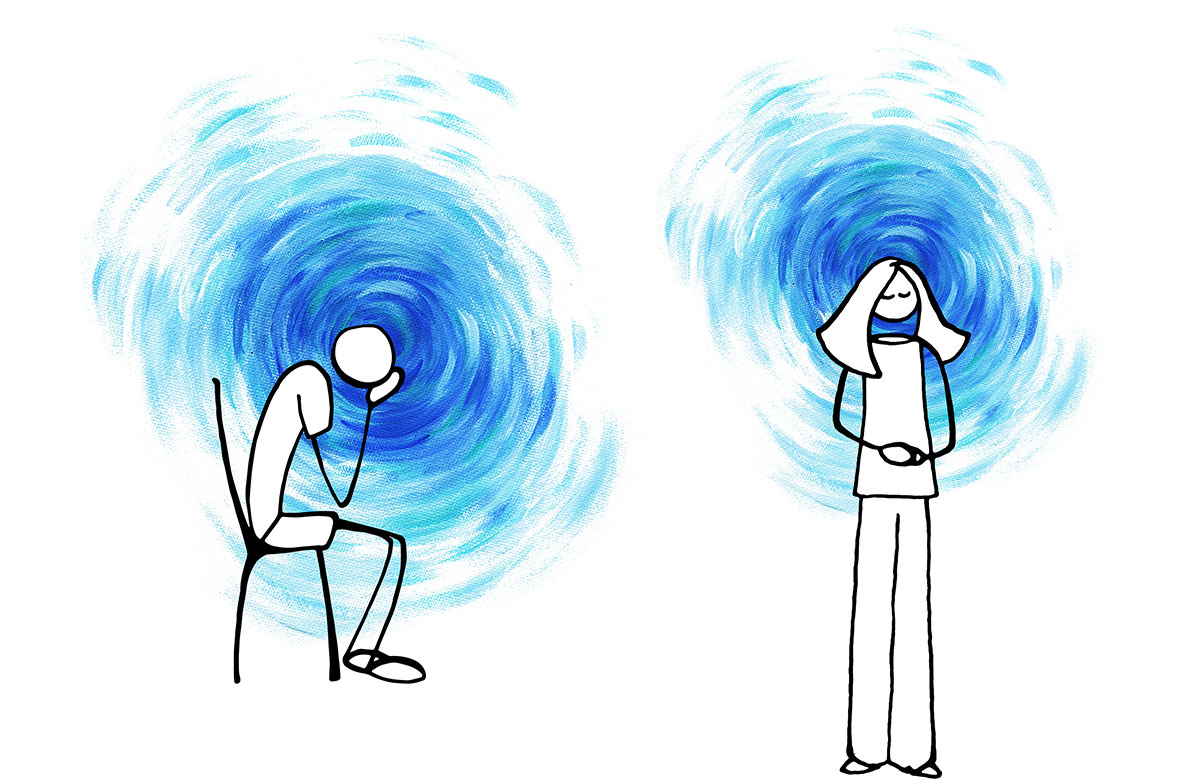
Do both partners experience grief in the same way?
Not necessarily. Each member of the couple may experience and cope with the process differently, both in the time required for acceptance and in the way emotions are expressed. In some cases, one person may feel ready to start treatment while the other still needs time to process the loss associated with the genetic bond.
There may also be differences in the way emotional distress is expressed: some people need to talk about what they feel and others experience it in a more internal or private way. For this reason, communication and emotional support are often essential during this process.
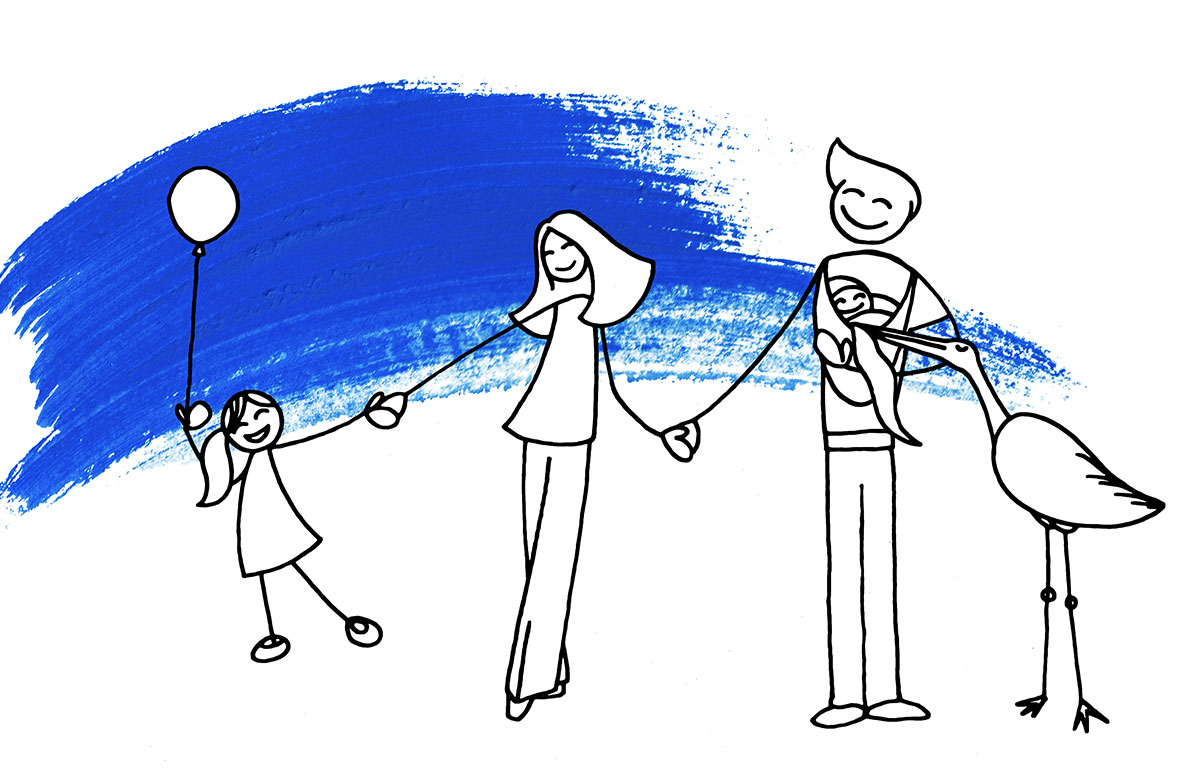
Does this grief mean that I will not bond with my child?
No. One of the most common concerns during this process is the fear of not feeling a strong enough bond with the baby for not sharing the same genetic material. However, attachment theory in psychology shows that bonding is not only built through genetics, but mainly through emotional availability, care, cohabitation and shared experiences.
Pregnancy, parenting and the daily relationship with the child allow for the development of a deep and meaningful bond that goes far beyond DNA. In fact, many people explain that, once the baby is born, the initial fear loses its strength in the face of the real experience of supporting, caring for and loving a child.
Moreover, experiencing this type of grief does not mean rejecting the future child or desiring them any less. The coexistence of seemingly contradictory emotions, such as excitement and sadness, hope and loss, is a common part of the emotional adjustment process.
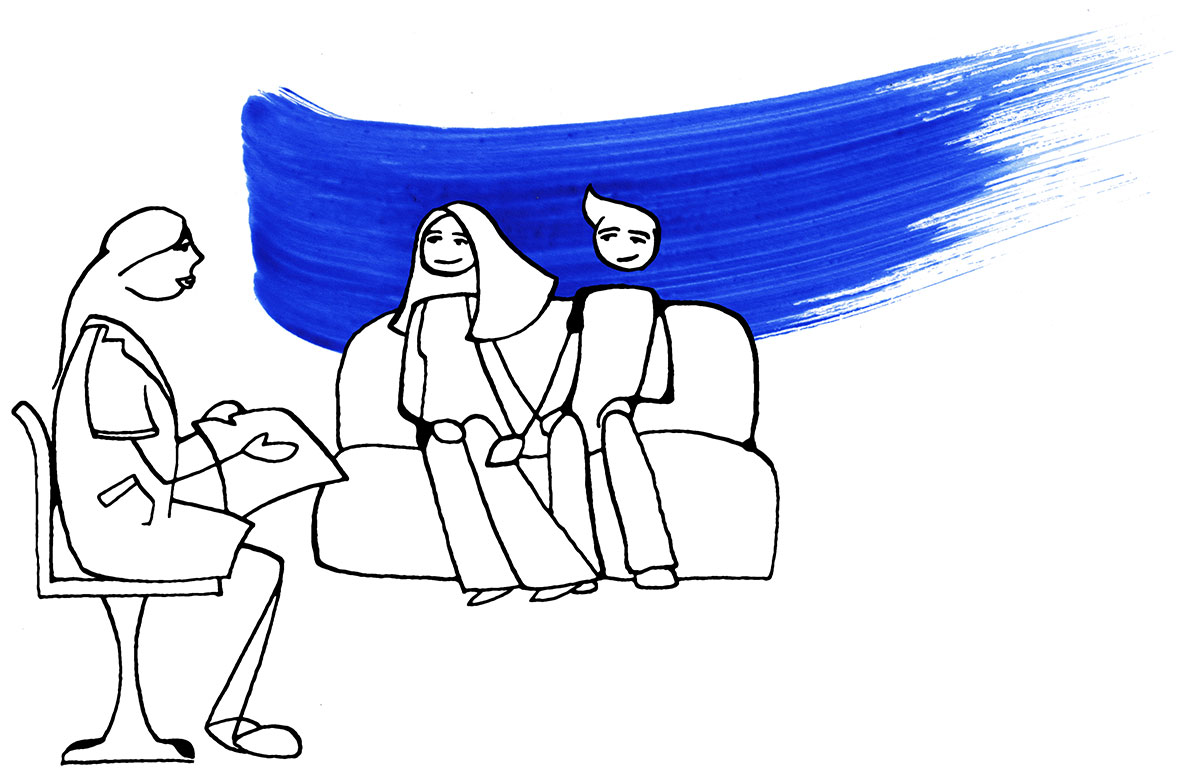
The importance of seeking help
Genetic grief does not have to be faced alone. Having specialised psychological support can help to better understand the emotions that arise during the process, reduce feelings of guilt or ambivalence and favour a healthier emotional adaptation to this new reality.
It is also often helpful to:
- Share emotions and concerns with the partner.
- Speak with people who have gone through similar experiences.
- Resolve medical and emotional doubts related to the treatment.
- Allow yourself to experience your emotions in a non-judgmental fashion.
Accepting grief does not mean giving up hope, but rather emotionally integrating a new way of building a family and reconstructing the personal meaning of motherhood and fatherhood beyond the genetic connection.
Motherhood and fatherhood go far beyond genetics
Genetics are part of biology, but motherhood and fatherhood are built every day through emotional bonding, care and presence.
Genetic grief is a real and valid process. Being able to talk about it, understand it and receive appropriate support can help individuals to face this time with less fear and greater emotional peace of mind.
Because, after all, a family is not only defined by genes, but also by the emotional bonds that are created and sustained throughout life.
Ester Arissa
Embriologist

Back to blog
In other news

19 June, 2020
How does the number of eggs decrease over the years?
The amount of a woman’s eggs decreases from the moment of birth, over the years, until menopau...
[Continue reading ]1 June, 2017
#Egg Vitrification
Egg vitrification: no need to rely on your biological clock… ...
[Continue reading ]